Most technical SEO advice still treats the goal as ranking in a list of blue links. In 2026, your audit needs a second lens: is your site legible to the AI agents and LLM crawlers increasingly standing between you and your audience?
Two things worth checking that a standard audit usually misses:
Your Robots.txt Might Be Blocking AI’s Ability to “See” You
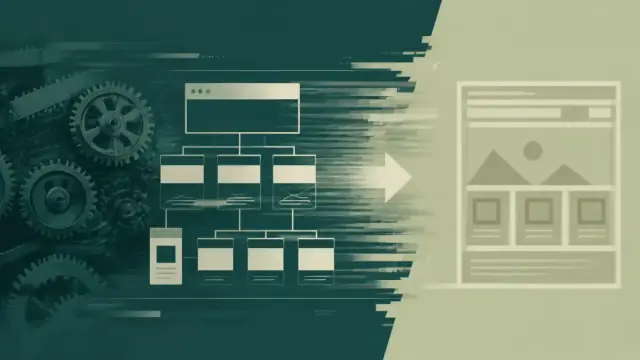
A lot of large organizations block CSS and JavaScript directories in robots.txt, thinking they’re saving crawl budget or improving security. But modern crawlers — including the AI models scraping for answer engines — don’t just read your text, they render your page. If you block the CSS or JS, the bot sees a broken 1998-style skeleton. If an AI agent can’t verify your site actually works, it won’t cite you as a source.
Schema Is the API for LLMs, Not Just Rich-Snippet Decoration
Most audits check whether schema markup exists. Few check whether it’s valid, comprehensive, or internally consistent. When an AI agent crawls your site to answer a question, it leans on your structured data to understand context — if that markup is broken or vague (or contradicts itself, claiming to be a Product, an Article, and a LocalBusiness all at once), the AI will either hallucinate an answer or quietly source a competitor’s cleaner data instead.
Practical fix: use JSON-LD, validate through Google’s Rich Results Test regularly rather than once, and use the most specific schema type available (GovernmentService, not just Service).
For the full foundational checklist these mistakes usually compound on top of — crawlability, canonical tags, Core Web Vitals, and more — see 10 Technical SEO Audit Things Large Orgs Can’t Ignore.