

7 AI Discovery Strategy Mistakes (and How to Fix Them)
Seven AI discovery strategy mistakes, from blocking AI crawlers and PDF-only content to weak schema, and how to become a source LLMs cite.
Insights
37 posts on Enterprise B2B.
Seven AI discovery strategy mistakes, from blocking AI crawlers and PDF-only content to weak schema, and how to become a source LLMs cite.

How to organize a large site around entities: map your core entities, add nested JSON-LD, and give each one a single canonical page.
Quick setup for the GA4 to BigQuery export, why to start before you need it, and how SQL views keep Looker Studio dashboards fast and free of quota errors.
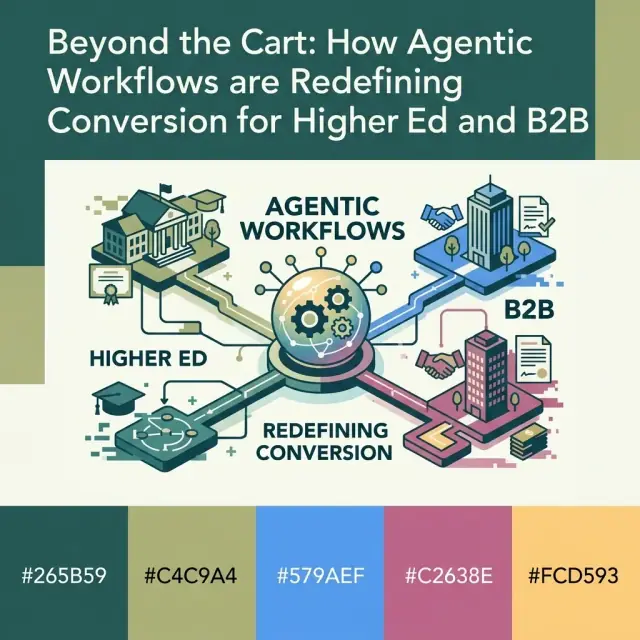
How agentic workflows could automate micro-conversions in higher ed applications and B2B lead qualification, and what to prepare on your site.

Ten site migration failures that hurt organic traffic, from homepage catch-all redirects to missing GA4 tracking, with the fix for each one.

Why AI buying proxies threaten your customer data, and how Google UCP lets your brand stay the Merchant of Record and keep the customer relationship.

Why years of identifiable analytics data is a legal liability under CCPA, GDPR and pixel litigation, and a three-part data hygiene plan to reduce risk.

Why AI Mode coverage, citation share and task inclusion are replacing rankings and clicks, and the technical steps to make a site agent-ready.
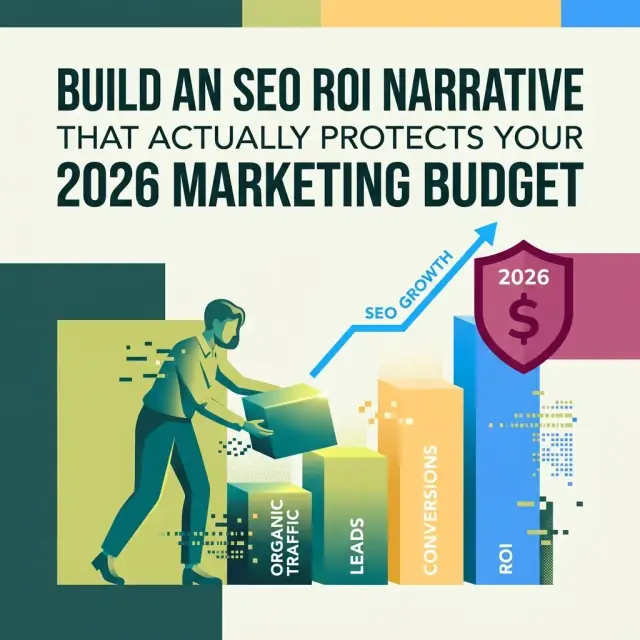
How to turn technical SEO work into a budget case: frame it as risk mitigation, run a what-if scenario and present SEO as a compounding asset.

Ten reasons a GA4 setup across many subdomains reports bad data, including cross-domain gaps, event naming and retention, and how to fix them.

How AI Mode and large context windows change enterprise SEO, and how to make site content easy for AI to ingest with canonical sources and clear structure.
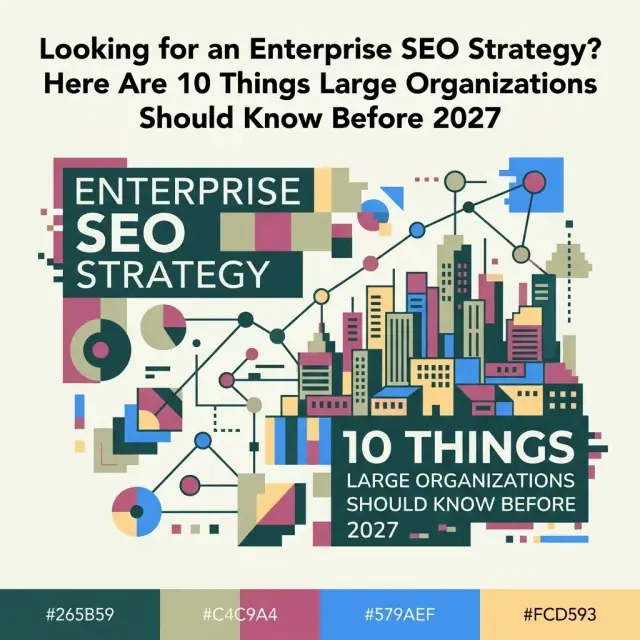
Ten points for large organizations on treating SEO as infrastructure, entity-based search, AI citation, crawl efficiency and technical debt.
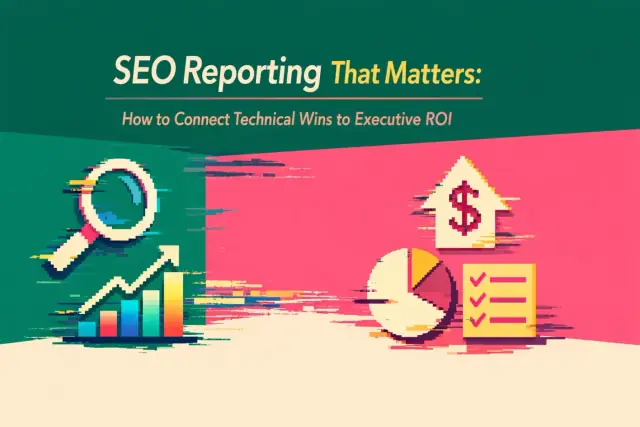
How to translate crawl budget, Core Web Vitals and indexing gains into business terms executives act on, and report revenue instead of rankings.
How to protect rankings in a large site migration: map entities, not just URLs, consolidate subdomains into subfolders and manage internal stakeholders.
Ten infrastructure causes of unindexed pages on large government and B2B sites, from crawl budget waste to noindex leaks, with a fix for each.
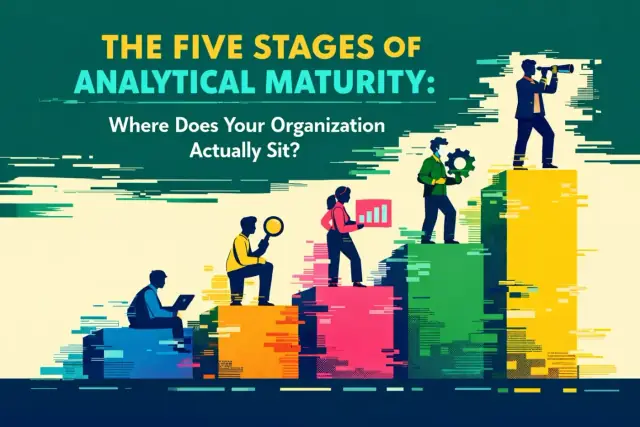
A five-stage analytical maturity model from reactive reporting to predictive modeling, with how to tell where your organization sits and what moves it up.
Traditional search still handles far more queries than AI chat. Why topical authority replaces keyword density, and why interactive tools outlast articles.
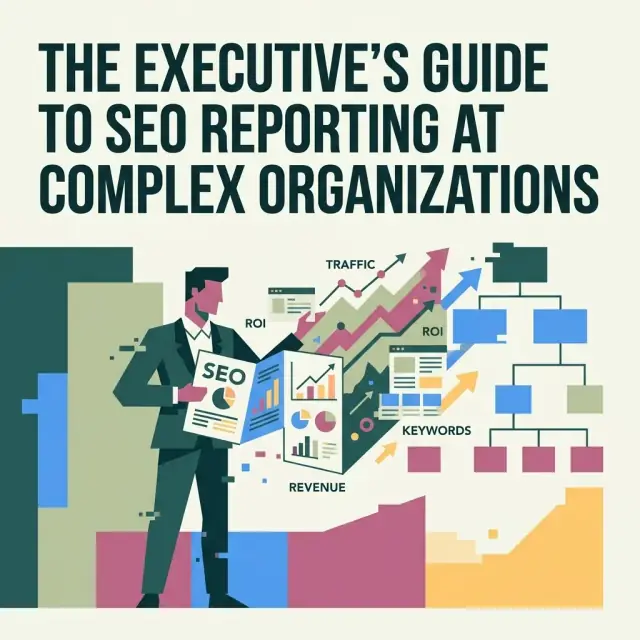
What an SEO report should show executives: mission queries, a short summary that supports a budget decision, and how to handle privacy in reporting.
Start an enterprise technical SEO audit with server logs and Search Console data instead of tools: crawl traps, indexing status and click depth.
Two technical SEO audit gaps that hide your site from AI crawlers: robots.txt blocking CSS and JavaScript, and schema that is invalid or contradictory.
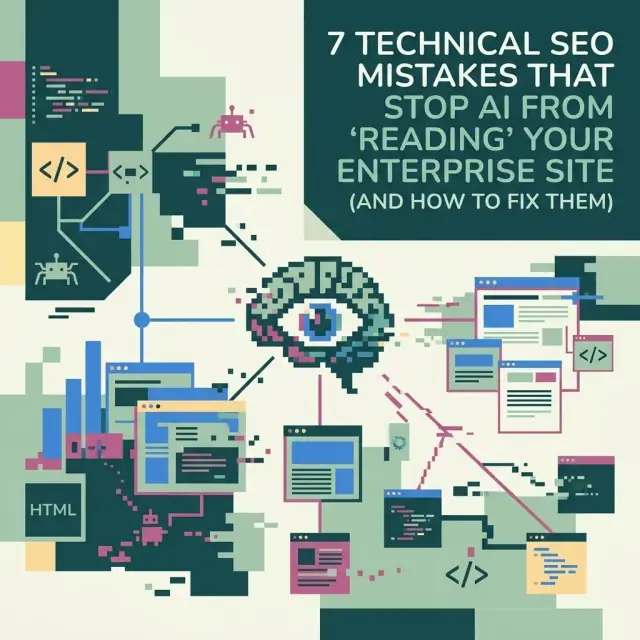
Seven technical SEO issues that keep AI crawlers from reading enterprise sites, including robots.txt blocks, JavaScript rendering and weak schema.
What server-side tagging does for GA4 privacy, how it scrubs data before it leaves your control, and the cost and skill trade-offs for B2B and gov sites.
Why expensive analytics tools sit unused, how agency dependency adds risk, and how to build data literacy inside your own team.
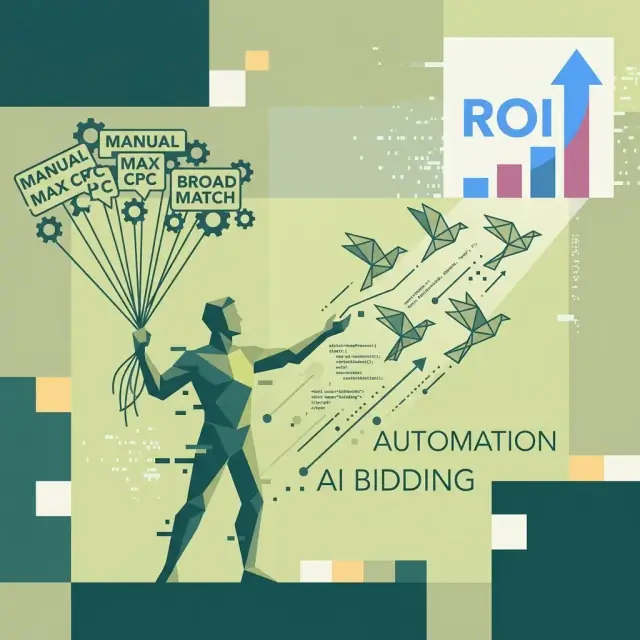
How to manage Google Ads with PMax and AI Max: feed the system strong assets, set guardrails, tie it to GA4 and stop micromanaging keywords.
A technical checklist for getting cited by LLMs: allow AI crawlers, keep pages fast, use JSON-LD schema, and structure headings as logic.
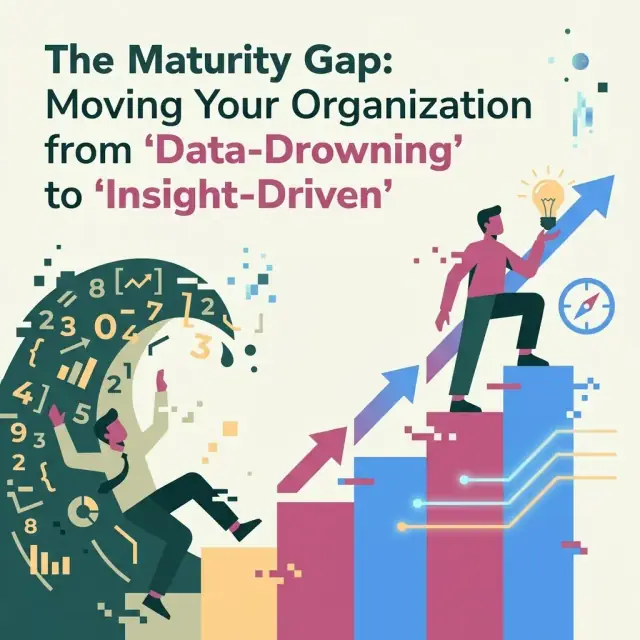
A four-stage maturity model for marketing analytics, from monthly PDF reports to owning your data pipeline, and how to move up a stage.
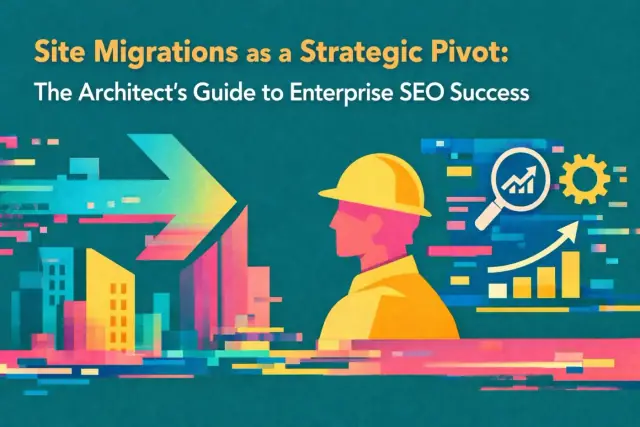
Treat an enterprise site migration as a chance to fix thin content, URL structure and speed, and why accessibility deadlines make now the time.
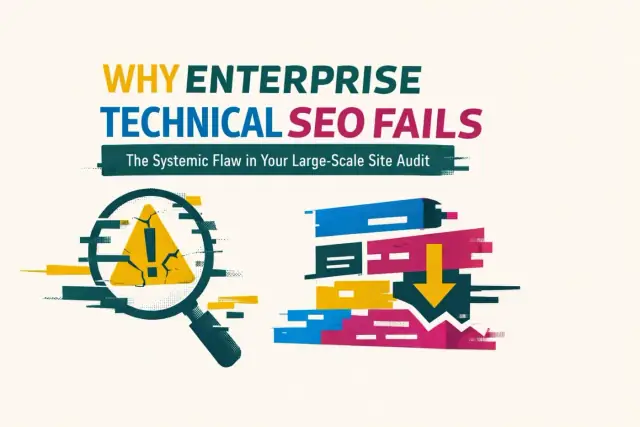
Why large-site SEO audits stall, and how governance, prioritization and business-readable findings get fixes through development backlogs.
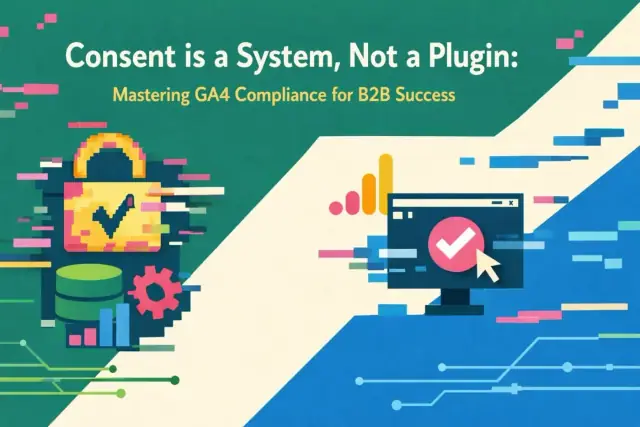
Why a consent plugin alone breaks GA4 attribution, how the four Consent Mode v2 signals work, and a phased plan to build consent into your B2B stack.
How retrieval-augmented generation chooses what to cite, and how to prepare forms, APIs and conversion paths for AI agents that complete tasks for users.
Why content alone fails in AI search, and how semantic structure, schema and entity mapping, feed health and fixing PDF-only content restore visibility.
Why buying more SEO tools does not produce a strategy, and how to build a repeatable system tied to real business goals instead.

Why decentralized universities collect stale tags and loose GTM access, and the performance case for cleaning up containers with clear ownership.

When simple A/B testing is enough, and when a complex B2B, government or higher ed funnel needs a CRO specialist to fix data and handoffs across systems.
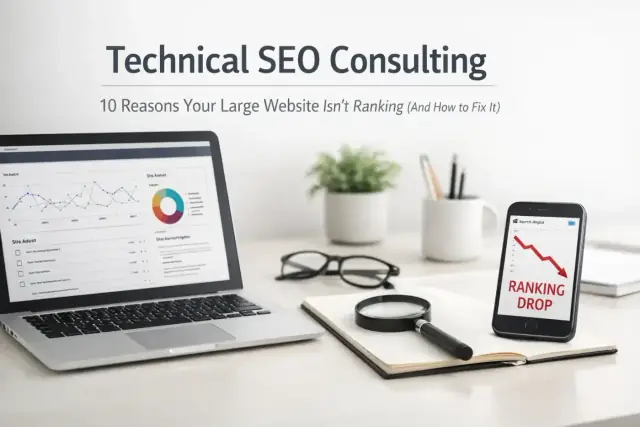
Why large sites underperform and what to check: server log analysis of real Googlebot activity, JavaScript rendering problems and hreflang errors.
A phased GA4 plan for government and B2B sites: write a measurement plan, set up cleanly in GTM, and standardize events across properties.
A ten-point technical SEO audit for large sites: crawlability, HTTPS, Core Web Vitals, canonicals, redirects, schema, sitemaps and internal links.
Tell us what you’re seeing. We’ll tell you plainly whether it’s something we can fix.