

5 Steps to Kill the PDF Trap: An AI-Readability Audit
A five-step audit for finding PDFs that AI cannot read, optimizing the ones you must keep, and moving key higher ed content to structured HTML.
Insights
26 posts on AI Discovery & GEO.
A five-step audit for finding PDFs that AI cannot read, optimizing the ones you must keep, and moving key higher ed content to structured HTML.

Seven AI discovery strategy mistakes, from blocking AI crawlers and PDF-only content to weak schema, and how to become a source LLMs cite.
Which metrics to add to SEO reports as AI answers replace rankings: citation frequency, primary-source rate and freshness.
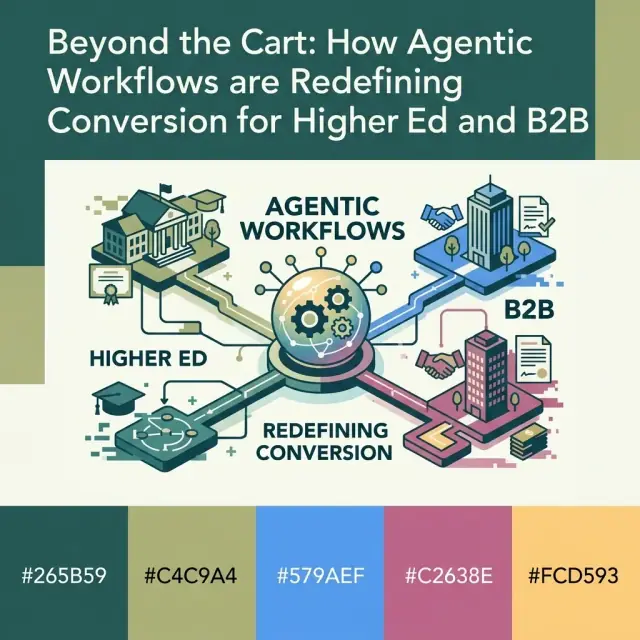
How agentic workflows could automate micro-conversions in higher ed applications and B2B lead qualification, and what to prepare on your site.
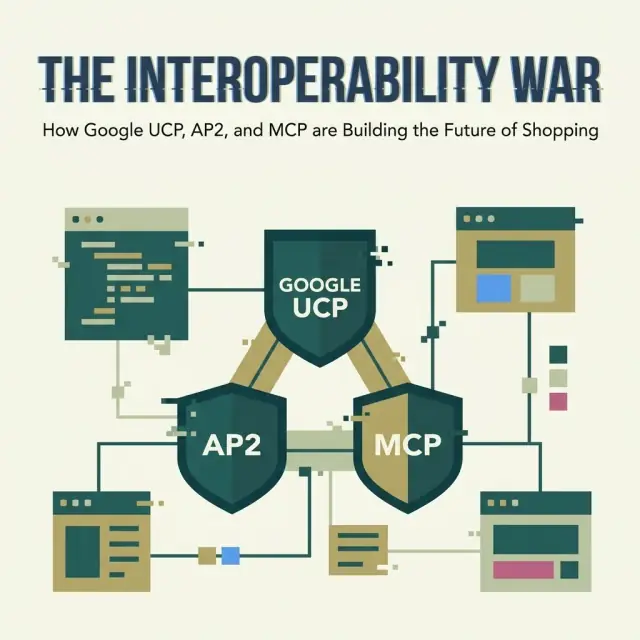
How MCP, UCP and AP2 fit together as the context, checkout and payment layers of agentic commerce, and what technical leads should plan for.
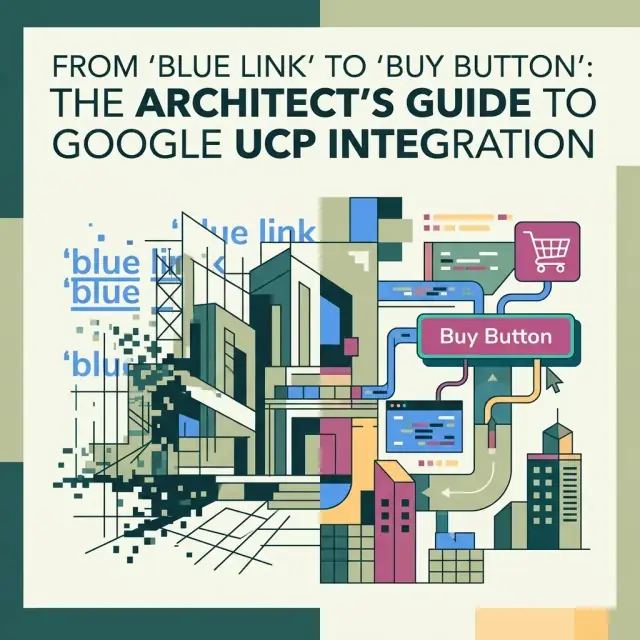
A technical roadmap for Google UCP: prepare your Merchant Center feed, set the native_commerce attribute and use embedded checkout so AI agents can sell.
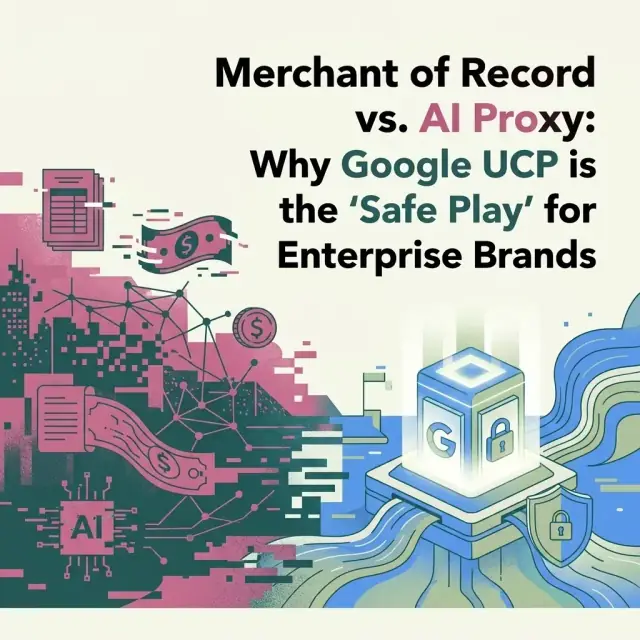
Why AI buying proxies threaten your customer data, and how Google UCP lets your brand stay the Merchant of Record and keep the customer relationship.
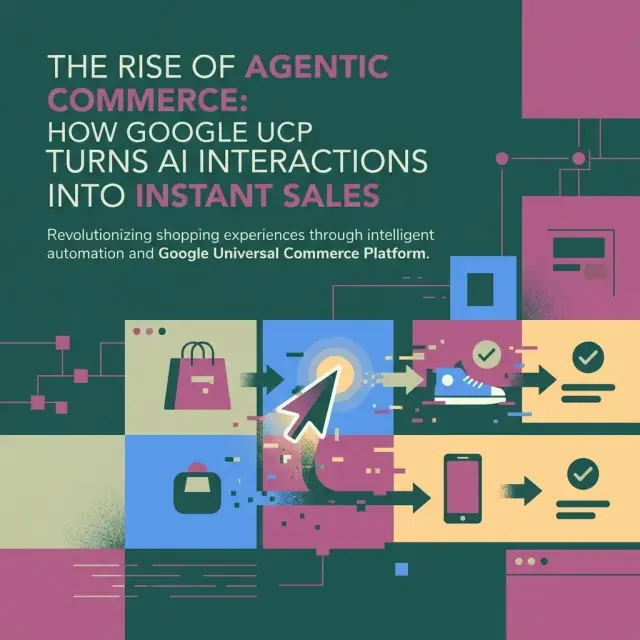
What agentic commerce is, how Google's Universal Commerce Protocol lets AI agents check out, and what it means for higher ed, government and B2B.
What generative engine optimization means for SEO strategy: make your site the source AI quotes and show up on TikTok and Reddit.
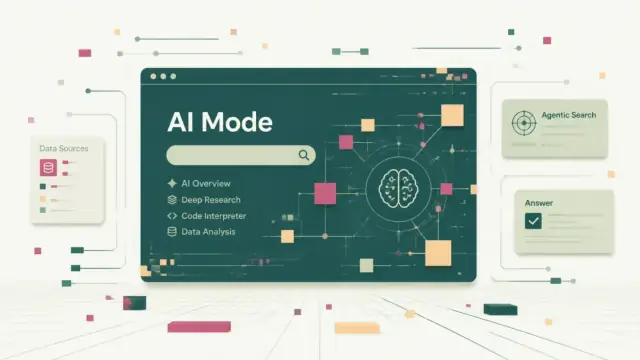
Why AI Mode coverage, citation share and task inclusion are replacing rankings and clicks, and the technical steps to make a site agent-ready.

How AI Mode and large context windows change enterprise SEO, and how to make site content easy for AI to ingest with canonical sources and clear structure.
Control which AI crawlers can use your site: a tiered robots.txt model for training bots versus citing bots, plus page-level meta tag controls.

How to make university program pages readable to AI agents: program schema, a short direct-answer block and fact-dense content so you get cited.
What SynthID and C2PA Content Credentials mean for search visibility, and how to build content provenance into your site and technical SEO audit.
Why a polished rebrand fails if AI agents cannot verify who you are, and how entity-based SEO and structured data make your organization readable.

How Google's agentic search box changes keyword strategy: four keyword types for decisions, workflows, monitoring and files, for higher ed and government.
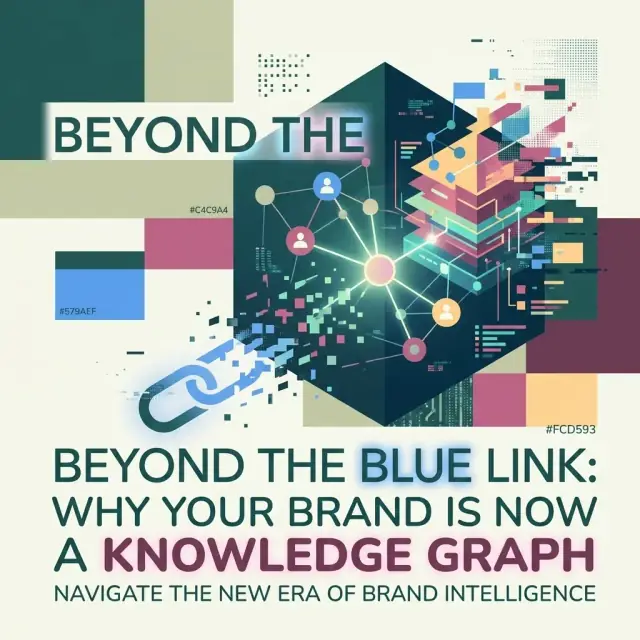
How to make your brand an entity AI can verify, using persistent @id identifiers, sameAs links and connected schema instead of keywords alone.
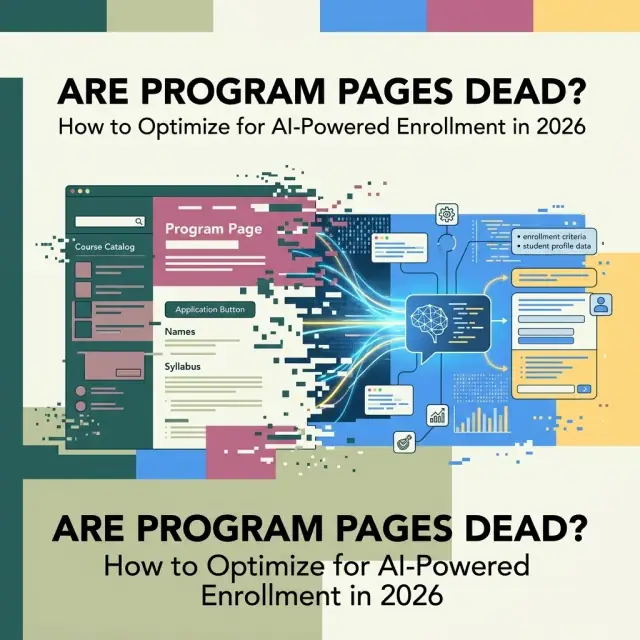
Program pages are not dead, but they now serve AI answers. How higher ed teams can use schema and authority content to get cited, in order.
Why single-platform SEO is fragile, and a three-step plan for Search Everywhere Optimization built on entity consolidation and schema.
Why large sites go unseen by AI agents and what an AI discovery audit checks: schema gaps, fragmented information and crawler friction.
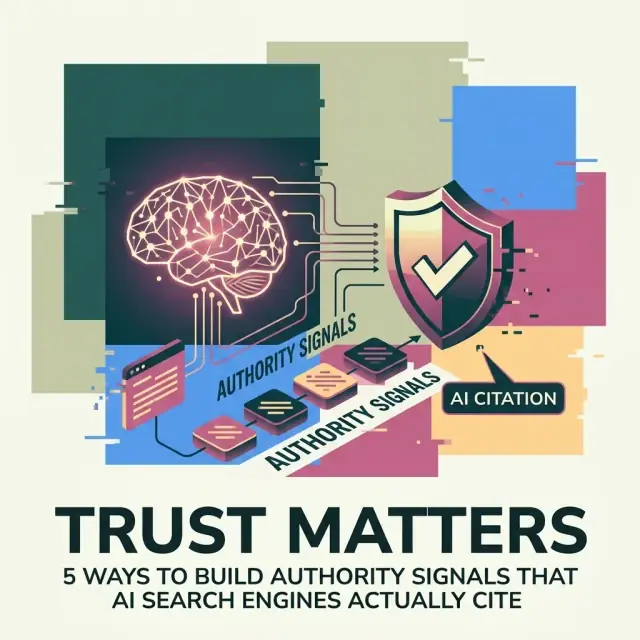
Five ways to build authority signals that AI search engines cite, including entity schema, consistent naming and removing outdated content.
What the Starbucks ordering integration in ChatGPT signals for SEO, and how to make your data readable and actionable for AI agents.
Why zero-click AI Overviews make rank position less important, and how E-E-A-T, entity schema and complete, structured answers earn citations as a source.
Why the right traffic beats more traffic, a B2B case where cutting low-intent keywords lifted MQL rate, and which metrics to track instead of sessions.
How retrieval-augmented generation chooses what to cite, and how to prepare forms, APIs and conversion paths for AI agents that complete tasks for users.
Why content alone fails in AI search, and how semantic structure, schema and entity mapping, feed health and fixing PDF-only content restore visibility.
Tell us what you’re seeing. We’ll tell you plainly whether it’s something we can fix.